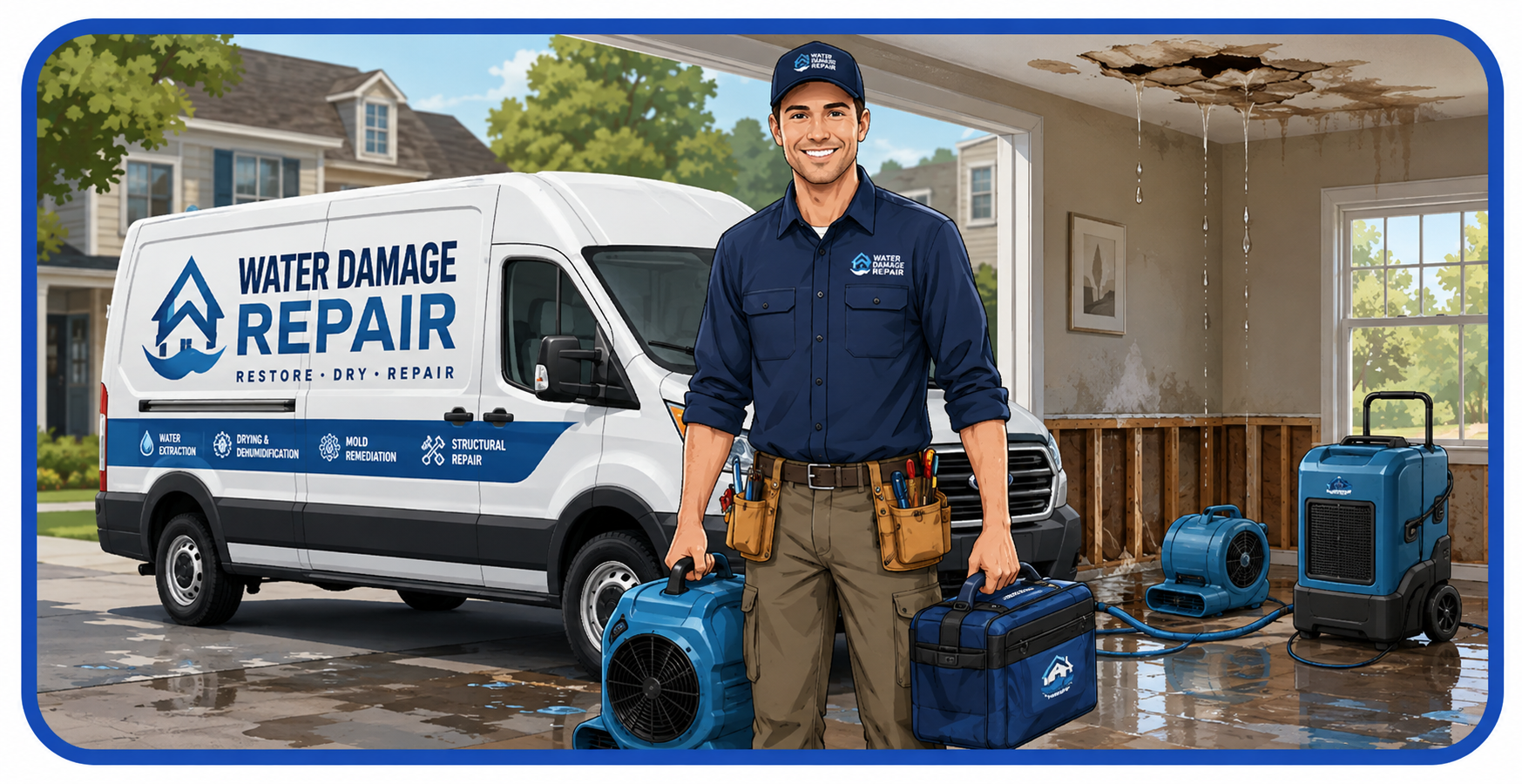
Category 3 blackwater carries real health risk, which is why our Sewage Cleanup response starts with containment and protective equipment, not just cleanup.
Call +1-844-833-1325 Now
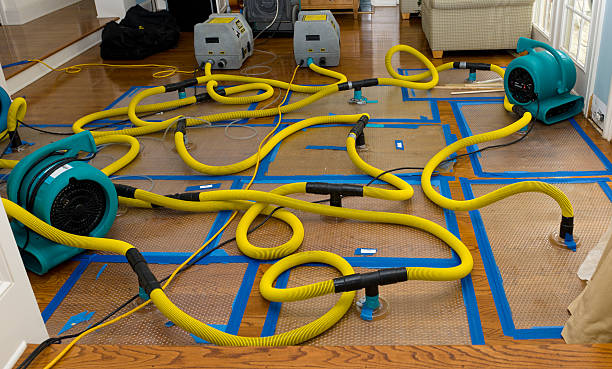
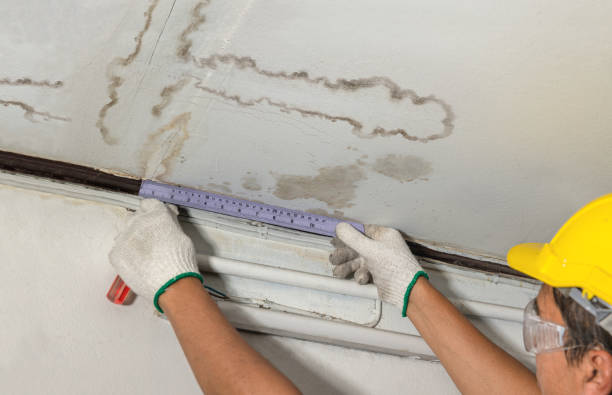
The decision to remove a material rather than dry it in place isn't a cost-cutting call on a sewage job — it's a safety standard, since porous materials that contact blackwater can't be fully sanitized no matter how long you dry them.
None of this is unique to a big loss either — the same standard applies whether it's a single-room sewage cleanup call or a larger one.
We built this list around what typically goes wrong when sewage cleanup gets handled by a generalist rather than a specialist.
Ask for credentials before the work starts, not after — a legitimate sewage cleanup specialist will have them ready.

S500 protocol governs PPE, containment, and disposal on every Category 3 call we handle.
We isolate the affected zone before starting any removal to limit cross-contamination.
Contaminated materials get disposed of according to local regulations, not just tossed in a regular dumpster.
We treat contamination calls with urgency, since delay increases exposure risk.
We don't treat sewage cleanup as a single generic task — each part of the process below gets its own specific approach.

Classification determines PPE level, containment approach, and which materials must be removed.
Extraction equipment dedicated to contaminated water keeps cross-contamination from clean-water jobs.
Porous materials can't be fully sanitized after blackwater contact, which is a safety call, not a cost-cutting one.
Every surface that had contact with contaminated water gets disinfected with hospital-grade antimicrobial treatment.
We address the contamination causing the odor rather than just deploying an air freshener.
We verify the space meets a safe standard before calling the job complete.
Four steps, no guesswork, from your first call to a verified sewage cleanup result.
Dispatch gathers just enough detail to load the right equipment before the truck leaves.
Local staging is what makes rapid arrival possible, rather than a promise with nothing behind it.
The assessment sets the whole plan, so we don't rush it even when the visible damage looks minor.
Work continues until the job meets our documented completion standard, verified before we call it done.


"They didn't rush the disinfection step even though it clearly slowed the job down."
Andre P., Emory"A main line backup hit our laundry room and they explained exactly why the flooring had to go."
Naomi F., Emory"The odor was completely gone after their disinfection process, not just covered up."
Katrina L., Emory"Our crawl space took a sewage backup and they treated it with the same containment protocol as a finished room."
Preston G., Emory"Disposal documentation came through clean and organized for our property records."
Victor N., Emory"Full PPE and proper containment meant we could reopen the rest of the dining room the same evening."
Grace T., EmoryThese are the questions we hear most often about sewage cleanup, gathered from real calls, not a generic template list.

Aqua Guard Water Damage dispatches sewage cleanup crews throughout Emory and the surrounding zip codes, including 24327 24361 24340.
Whether your address sits in the city core or a neighboring zip code, the same sewage cleanup response standard applies.